

AllIPL
Venues
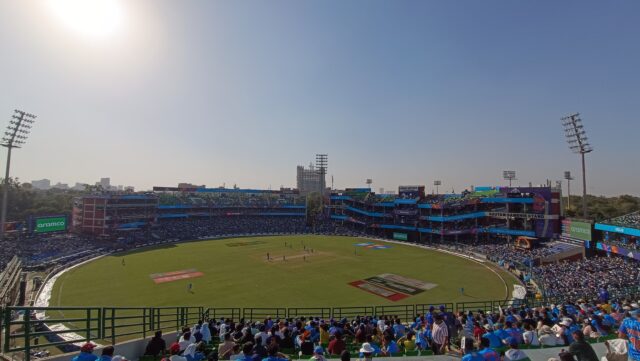
Arun Jaitley Stadium (Feroz Shah Kotla), New Delhi
The Arun Jaitley Stadium has worn several identities across its 140-year history. Most cricket fans knew it for decades as Feroz Shah Kotla — the name of the 14th-century citadel after which it was informally named — before a renaming in 2019 in honour of the late Finance Minister. But no name change alters what this ground has always been at its core: one of India's most historically significant cricket venues, and one of its most tactically distinctive.
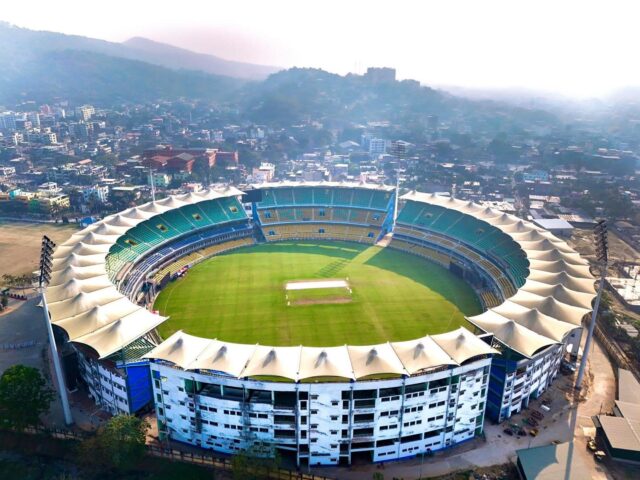
Barsapara Cricket Stadium, Guwahati
Guwahati is the gateway city of northeast India — the most populous city in Assam, a region of extraordinary natural beauty, cultural richness, and deep cricket passion. For years, fans in the northeast followed the IPL from a distance, watching matches that were always played somewhere else, in cities they might never visit. The Barsapara Cricket Stadium changed that: first as a venue for domestic cricket, then for international T20Is, and now as Rajasthan Royals' secondary home for IPL 2026.
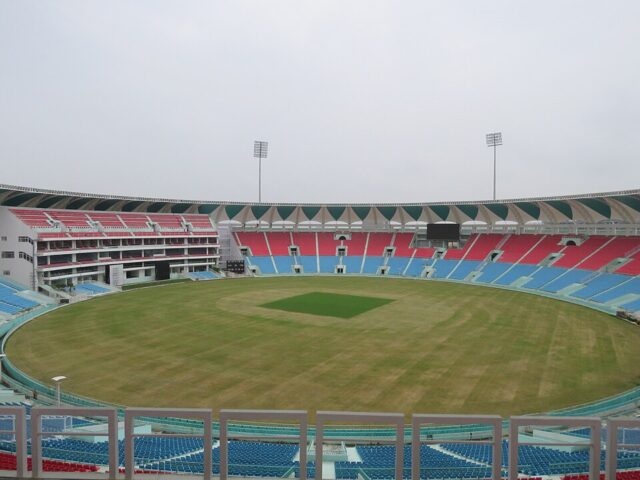
Bharat Ratna Shri Atal Bihari Vajpayee Ekana Cricket Stadium, Lucknow
Before 2022, Lucknow — a city of over three million people and the capital of India's most populous state — had no IPL franchise. The arrival of Lucknow Super Giants changed that immediately and dramatically, with the RPSG Group's ₹7,090 crore investment establishing a team that made the playoffs in its first two seasons. At the centre of that story sits Ekana Cricket Stadium — a modern, purpose-built arena that has quickly grown from a regional venue into a full-fledged international cricket ground.
Eden Gardens
Along with the MCG, the Eden Gardens remains cricket's answer to the Coliseum. It first hosted a Test back in the days of India's cricketing infancy, with Douglas Jardine's team easing to victory inside four days in 1934. Since then, it has become something of a place of pilgrimage for most international cricketers.
HPCA Stadium, Dharamsala
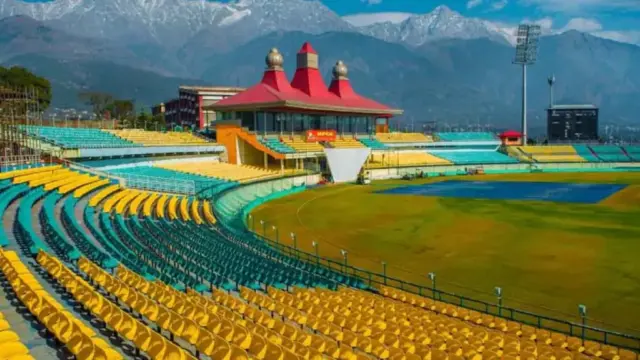
There is a case to be made — and it is a strong one — that HPCA Stadium in Dharamsala is the most visually stunning cricket ground in the world. Situated at 1,457 metres above sea level in the Kangra Valley of Himachal Pradesh, with the snow-covered peaks of the Dhauladhar range of the Himalayas rising behind the stadium's open end, this is a cricket ground where even the players pause to absorb their surroundings. Television cameras do their best to capture it, but the reality — watching fast bowlers run in against a backdrop of white Himalayan summits in the clear mountain air — is something that images cannot fully replicate.
M. Chinnaswamy Stadium, Bengaluru
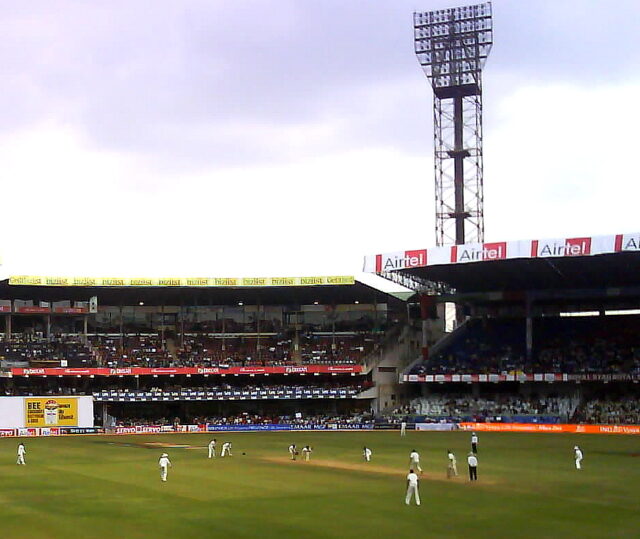
If Chepauk is cricket's chess match, M. Chinnaswamy Stadium is its gladiatorial arena — a place where subtlety is discarded at the gates and everything becomes about boundaries, maximums, and the question of whether a bowler can somehow survive 20 overs at the most batting-friendly venue in the IPL. The RCB faithful, who have followed their team through 17 years of near-misses before the 2025 maiden title, know this ground's personality better than anyone: score 200 and it might not be enough; score 210 and you might just have a chance.
MA Chidambaram Stadium (Chepauk), Chennai
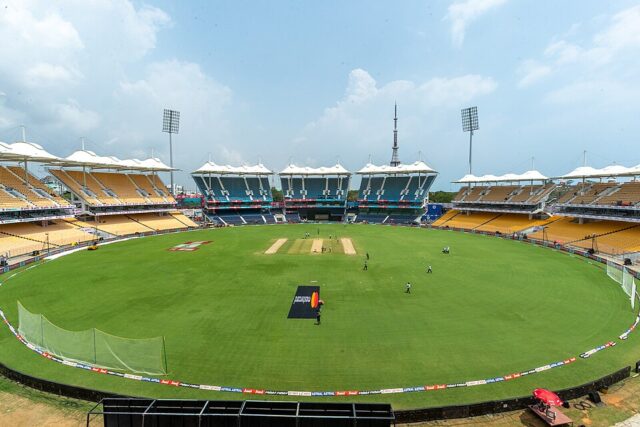
Chennai is a city that takes its cricket seriously in a way that is difficult to describe to those who have not stood in Chepauk on a summer evening with the stadium packed and CSK on a charge. The MA Chidambaram Stadium — named after a former BCCI president but universally known as Chepauk — is one of Indian cricket's most storied and tactically complex venues. The sea of yellow that fills it for CSK matches, the "Whistle Podu" anthem reverberating off the walls, and the knowing murmur that passes through the crowd when a spinner starts gripping — these are among cricket's most distinctive sights and sounds.
Maharaja Yadavindra Singh International Cricket Stadium, Mullanpur
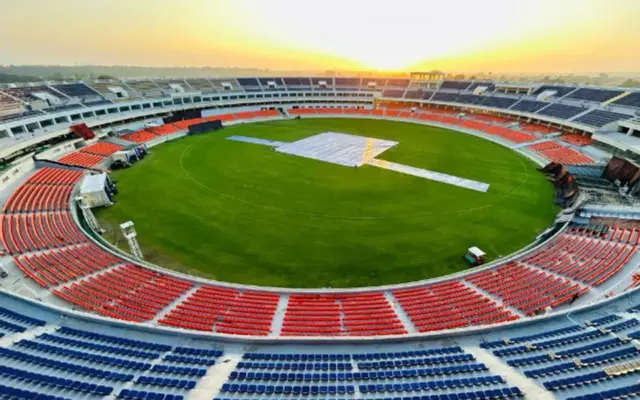
For 15 of their 17 IPL seasons, Punjab Kings played at IS Bindra Stadium in Mohali — an intimate, beloved ground with one of the best natural cricket pitches in northern India. The move to the brand-new Maharaja Yadavindra Singh International Cricket Stadium in Mullanpur (New Chandigarh) for IPL 2026 is therefore a significant transition: a franchise saying goodbye to a stadium that became part of its identity, and hello to a purpose-built arena that promises better infrastructure, a larger capacity (34,000 versus Mohali's 26,000), and a fortress-like design intended to maximise home advantage.
Narendra Modi Stadium, Ahmedabad
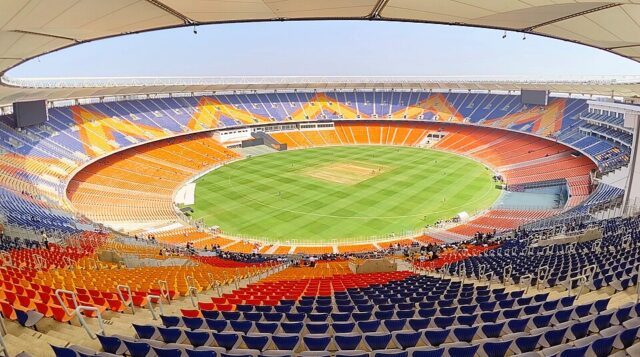
The numbers alone demand a moment of pause. 132,000. That is the capacity of Narendra Modi Stadium in Ahmedabad — a figure that makes it not just the largest cricket stadium in the world, but the largest sports stadium of any kind in the entire western hemisphere. When every seat is filled for a marquee occasion, the sight of 132,000 people in a single arena is genuinely overwhelming — a testament to cricket's extraordinary hold on India's imagination.
Rajiv Gandhi International Cricket Stadium, Hyderabad
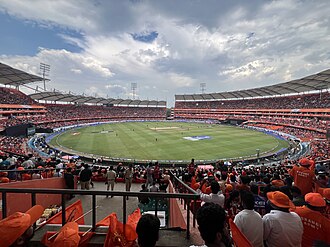
The Rajiv Gandhi International Cricket Stadium has undergone a transformation in recent seasons that mirrors the transformation of the team that calls it home. For most of its IPL existence, it was a solid, respected, moderately high-scoring venue — competitive and enjoyable, but not extraordinary. Then came 2024, when SRH's Bazball-inspired assault on T20 scoring norms produced numbers that rewrote the record books. Their 287/3 against RCB in 2024 is the highest team total in IPL history. Their average first-innings score for that season exceeded 205 — a number that would have seemed impossible at any ground five years earlier.
Sawai Mansingh Stadium, Jaipur
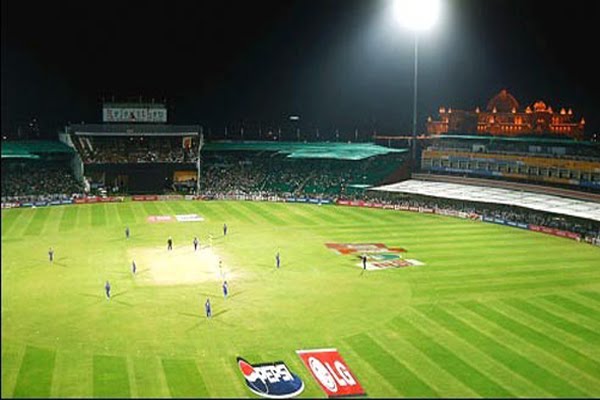
Jaipur is called the Pink City for the terracotta-coloured walls of its old town, and the Sawai Mansingh Stadium — nestled among those historic streets — carries that same warm, intimate character into its cricket. It is a compact ground in the way that only older stadiums can be: the stands are close to the boundary rope, the crowd noise is immediate and personal, and when RR are in full flow under the floodlights, the atmosphere captures something of the ground-level intensity that the newer, larger IPL arenas sometimes lack.
Wankhede Stadium
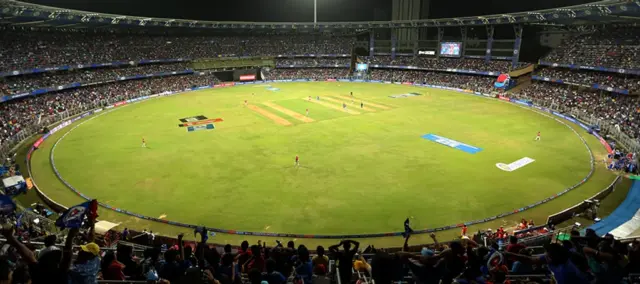
Overlooking the Arabian Sea in the heart of Mumbai, Wankhede Stadium has long been one of Indian cricket’s most electric arenas. Built in 1974, it quickly became famous for its lively pitches, short boundaries and roaring crowds that create an intense atmosphere on match days.